
Chronic pain and sleep deprivation often occur together, but the relationship between them is more complicated than you might think.
Pain can make it harder to sleep, and a short night can make pain feel more intense for a day or so. However, an increase in pain sensitivity doesn’t necessarily mean your condition is getting worse. A bad night does not damage your body or undo progress in your pain recovery.
At DC Metro Therapy, we often see how fear and worry about sleep can add to the distress people are already experiencing. Here’s what you need to know about how chronic pain and sleep deprivation connect, and how to sleep better without the pressure.
What Is Chronic Pain?
Chronic pain is pain that lasts or keeps coming back for longer than three months. It can start after an injury or illness, or appear without a clear cause. Common examples include back pain, migraines, fibromyalgia, and pelvic pain.
How chronic pain works
Pain is produced by the brain as a protective response. Your brain processes signals from your body alongside past experiences, emotions, and expectations to determine whether protection may be needed. Pain can arise when your nervous system perceives a threat, even when there’s no ongoing injury.
Pain makes you pull your hand off a hot stove or rest a sprained ankle. But with chronic pain, the nervous system can stay on high alert long after an injury has healed, or produce pain when no injury exists. The brain has learned to read safe signals as threatening, and it keeps sending pain to protect you.
When pain persists without ongoing tissue damage, it’s often called neuroplastic pain. Your pain is not imagined or exaggerated. You feel it in your body, even when ongoing tissue damage isn’t the source. Fear, ongoing stress, and past trauma can contribute to a heightened sense of threat and increased pain sensitivity.
Because the brain learns these patterns, it can also unlearn them. Pain Reprocessing Therapy (PRT) is one approach that helps people reinterpret certain pain sensations as less threatening, which can reduce pain over time.
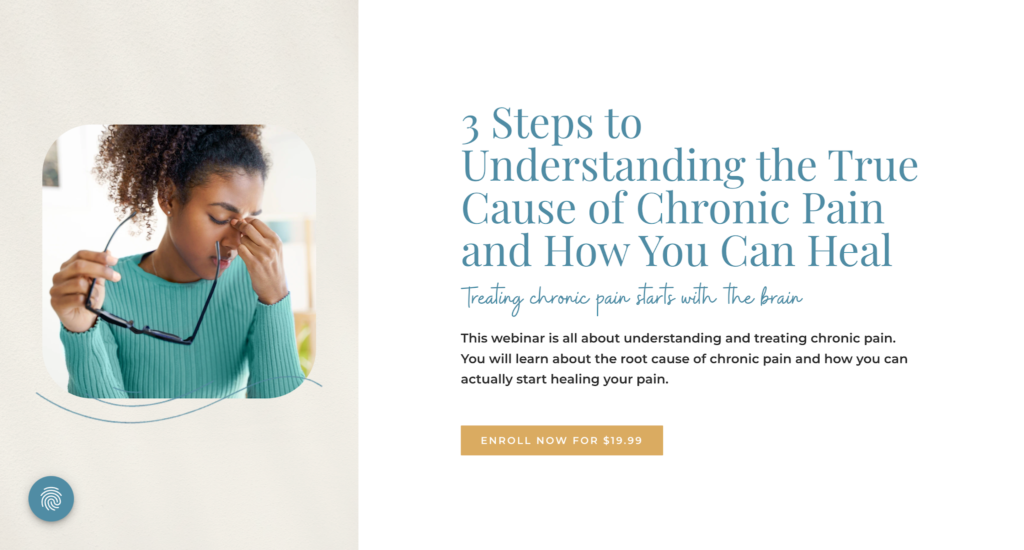
Want to understand your chronic pain better? DC Metro Therapy’s webinar, 3 Steps to Understanding the True Cause of Chronic Pain, explains the neuroscience behind chronic pain and gives you practical tools to start treating it.
What Is Sleep Deprivation?
Sleep deprivation means getting less sleep than your body needs. It can happen after a single short night, like before an early flight, or continue over time when you consistently don’t get enough sleep.
Sleep deprivation and insomnia often get used interchangeably, but they are different:
- Sleep deprivation usually comes from a lack of opportunity to sleep, such as long work hours or caring for a newborn
- Insomnia is trouble falling asleep, staying asleep, or waking too early, even when you have plenty of time to sleep
Many people with chronic pain who describe themselves as sleep-deprived are dealing with insomnia. That distinction is important, because insomnia responds well to treatment.
Sleep needs vary from person to person, and there’s no magic number of hours you need to function well or manage chronic pain.
After a short night, you might feel more tired or less focused the next day. Your body responds by building more sleep drive, which can help you fall asleep more easily and sleep more soundly the following night. That’s a sign of how well your body adapts to an occasional rough night.
What Is the Relationship Between Sleep Deprivation and Chronic Pain?
Chronic pain and sleep problems often occur together, but that doesn’t mean one necessarily causes the other.
Pain can make sleep harder. It can keep you from getting comfortable, wake you during the night, or feel more noticeable once the house goes quiet. If your chronic pain gets worse at night, you may start to dread bedtime. Still, not everyone with chronic pain has insomnia, and many people with pain sleep well.
Sleep loss can also affect how sensitive we are to pain. In one lab study, healthy adults became more sensitive to pain after a night without sleep, and their sensitivity returned to normal after a night of recovery sleep.
A change in pain sensitivity is different from causing physical damage. A short night might make pain feel worse the next day, but it doesn’t mean you’ve harmed your body or erased the progress you’ve made.
It is also common to believe you need to fix your sleep before your pain can improve. That is not the case. Pain and sleep can improve independently, and progress with one may also help the other.
Ready to change how your brain responds to pain? Calm Your Brain, Heal Your Pain helps you understand where your pain comes from and gives you tools to calm your nervous system, and it includes a bonus module on improving sleep.

Why Worrying About Sleep Can Increase Chronic Pain
For many people with chronic pain, worry about sleep can become just as distressing as the lost sleep itself.
It often starts with a reasonable thought: I didn’t sleep well, so tomorrow will be hard. Over time, that thought can turn into a habit of tracking every hour and predicting how much pain the next day will bring. You might obsessively check a sleep tracker, count the hours after each awakening, or cancel plans because you assume a bad night means a bad day.
This kind of monitoring keeps your attention on your body. You start scanning for symptoms and reading each one as proof that the night went wrong. To a brain already on alert for danger, that focus signals threat. This heightened sense of threat can increase both pain sensitivity and alertness, creating a cycle in which anxiety, pain, and sleep difficulties reinforce one another.
Pressure to sleep has a similar effect at night. The harder you try to sleep, the more alert you become. Lying in bed worried about tomorrow teaches your brain to associate bed with effort and frustration.
Adding more rigid sleep rules can make things worse. Strict targets, like needing a certain number of hours to avoid a flare, raise the stakes of every night. What helps more is lowering the sense of threat around sleep, so your nervous system can settle, and sleep can come more easily.
7 Tips to Improve Your Sleep When Living with Chronic Pain
These tips focus on how you respond to poor sleep, rather than trying to force a perfect night.
1. Don’t assume the day will be hard
After a short night, it’s easy to predict a painful, unmanageable day. That prediction primes your brain to look for problems, which can make pain more noticeable. Try to take the day as it comes. A day after poor sleep can still be a good day.
2. Don’t treat more pain as a sign of damage
If your pain feels stronger after a bad night, it doesn’t mean you’ve hurt your body or lost progress. Sleep loss can increase pain sensitivity, but that doesn’t necessarily mean something is wrong or that you’ve caused damage. Reminding yourself that increased pain doesn’t always signal harm can help reduce fear.
If pain starts to feel overwhelming, these steps for when chronic pain becomes too much can help.
3. Keep your usual plans when you can
It’s tempting to cancel plans or spend the day resting to make up for lost sleep. Organizing your day around a bad night teaches your brain that poor sleep is dangerous. Stick to your normal activities as much as you’re able, and adjust where you need to.
Pulling back from plans can also deepen the loneliness that often comes with chronic pain.
4. Wake up at a consistent time
A regular wake time, even after a rough night, steadies your body clock and builds sleep drive for the next evening. Choose a time you can keep most days, including weekends.
5. Avoid spending extra time in bed
Going to bed early or sleeping in to catch up can backfire. More time in bed often means more time lying awake, which weakens sleep drive and strengthens the link between your bed and frustration. Keep your time in bed close to your usual schedule. If you’re lying awake and becoming frustrated, get out of bed and do something relaxing until you feel sleepy again.
6. Ease off sleep tracking
Sleep trackers, clock-watching, and counting hours keep sleep at the center of your attention, and trackers aren’t always accurate. Try turning your clock away from the bed or taking a break from your tracker for a few weeks. Judge your night by how you feel during the day, and remember that an imperfect night is normal.
7. Respond to symptoms without fear
Pain and poor sleep will still happen from time to time. How you respond to them can make a big difference.
Notice symptoms with curiosity, remind yourself that pain doesn’t always mean damage, and adjust your day as needed. Flexibility builds confidence, and confidence lowers the sense of threat that keeps pain and insomnia going.
How CBT-i Can Help with Insomnia and Chronic Pain
Cognitive Behavioral Therapy for Insomnia (CBT-i) is the recommended first-line treatment for chronic insomnia, including for people who live with chronic pain.
It helps rebuild the connection between your bed and sleep, eases worry and pressure around sleep, and adjusts your sleep schedule so sleep becomes deeper and more consistent.
A 2021 meta-analysis of 12 trials found that CBT-i significantly improved insomnia symptoms in people with chronic pain, with smaller improvements in pain reported immediately after treatment.
One part of CBT-i is sleep restriction. This technique temporarily limits your time in bed to match how much you’re sleeping. The goal is to consolidate sleep and strengthen sleep drive, so you fall asleep faster and wake less during the night. As your sleep improves, your time in bed may increase.
Despite its name, sleep restriction isn’t about depriving you of the sleep your body needs. It’s about temporarily limiting time in bed to help consolidate sleep, with adjustments made as sleep improves.
Many people with chronic pain worry that less time in bed will make their pain worse, but spending less time in bed for a few weeks doesn’t automatically increase pain or harm your body. For people with chronic pain, CBT-i can be adapted to account for pain symptoms, physical limitations, and individual sleep needs.
FAQs
Should I keep lying in bed if I can’t sleep?
No. If you’re lying awake and feeling frustrated, get up and do something calm, like reading, listening to a podcast, or watching a TV show. Go back to bed when you feel sleepy. This teaches your brain that your bed is a place for sleep and not struggle.
Can lack of sleep cause chronic pain?
A single night of poor sleep doesn’t cause chronic pain. However, ongoing sleep difficulties can influence pain sensitivity and may contribute to the risk of developing persistent pain. Chronic pain and insomnia often occur together, but that doesn’t mean one inevitably causes the other.
Will a bad night of sleep cause a chronic pain flare?
Not necessarily. You might notice more pain after a short night, or you might not. If pain does increase, that doesn’t necessarily mean you’ve caused damage or experienced a setback in your recovery. Expecting a flare tends to make pain more noticeable, so try to go about your day as planned.
How much sleep do I need if I have chronic pain?
There’s no set number of hours you need to manage chronic pain. Most adults need between six and nine hours of sleep, although individual sleep needs vary. A better measure is how you feel and function during the day. In fact, aiming for a specific number can add pressure that makes sleep harder.
Get Help with Insomnia and Chronic Pain at DC Metro Therapy
At DC Metro Therapy, we help adults and teens with insomnia and chronic pain using CBT-i, Pain Reprocessing Therapy, and other evidence-based approaches.
We offer in-person therapy in Cabin John, Maryland, and virtual sessions for clients in Maryland, Virginia, and Washington, D.C.
If you’re ready to feel more confident about sleep and less fearful of pain, learn more about our sleep therapy and chronic pain therapy services, or get in touch today.