
Skip to content
sleep paralysis treatment,sleep paralysis symptoms,sleep paralysis cause,how to stop sleep paralysis,is sleep paralysis dangerous,sleep paralysis
  • Home
  • Our Team
    • Annie Miller
    • Ethel Sayles
    • Caroline Friedman
  • Specialties
    • Sleep Therapy
    • Chronic Pain Therapy
    • Anxiety Therapy
    • Trauma Therapy
    • Teen Therapy
    • Online Therapy
  • Workshops
  • Blog
  • Resources
  • Contact
  • Login
  • Home
  • Our Team
    • Annie Miller
    • Ethel Sayles
    • Caroline Friedman
  • Specialties
    • Sleep Therapy
    • Chronic Pain Therapy
    • Anxiety Therapy
    • Trauma Therapy
    • Teen Therapy
    • Online Therapy
  • Workshops
  • Blog
  • Resources
  • Contact
  • Login

Tag: Sleep Paralysis Treatment

Is Sleep Paralysis Dangerous? Myths, Facts, and How to Cope
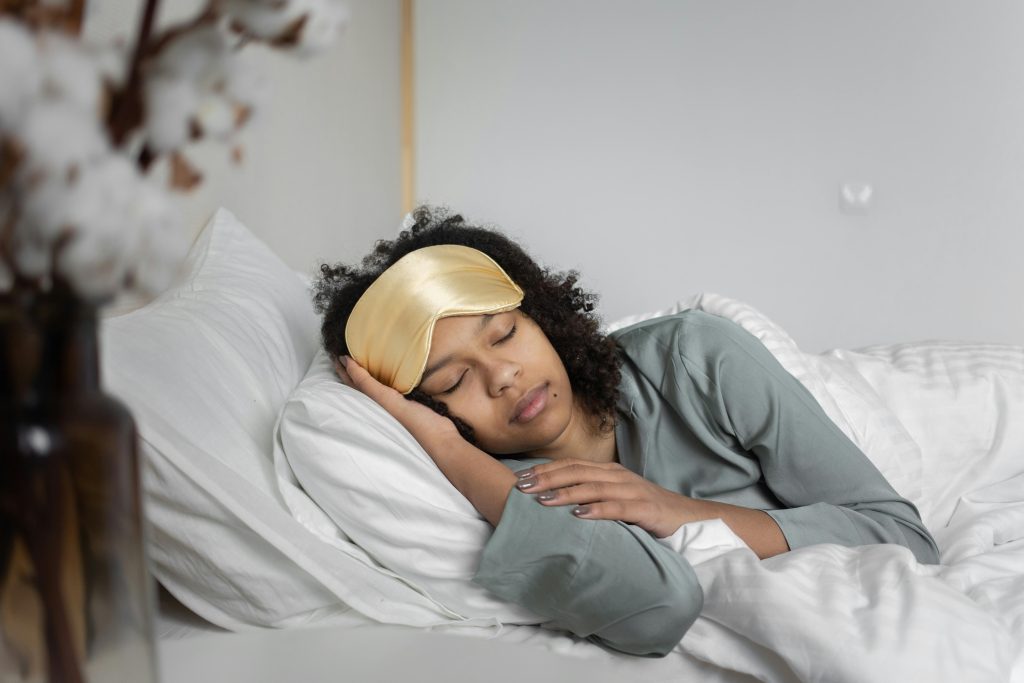
Is Sleep Paralysis Dangerous?

We’ll explore the causes of sleep paralysis, the symptoms you might experience, and how to stop sleep paralysis using proven behavioral treatments like Cognitive Behavioral Therapy for Insomnia (CBT-i).

Follow us on Instagram

@dc.metro.therapy

Finding a comfortable position to fall asleep can Finding a comfortable position to fall asleep can feel like an Olympic sport some nights 🫠

You’re too hot.
Now you’re too cold.
Your shoulder feels weird.
Your neck won’t relax.
The pillow suddenly feels wrong.
You flip. You fluff. You sigh.

And the more you try to “get comfortable,” the more frustrated your body becomes.

If this is you, here are a few gentle tips:

✨ Stop chasing the perfect position. Aim for “comfortable enough.”
✨ Do a quick body scan and soften your jaw, shoulders, and hands (we hold more tension than we realise).
✨ Try a small pillow between your knees or hugging one to reduce strain.
✨ Keep the room slightly cool and layer blankets so you can adjust easily.
✨ If frustration builds, sit up for a few minutes and reset instead of battling the bed.

Sleep isn’t about getting it perfect. It’s about helping your nervous system feel safe enough to let go.

And sometimes that starts with easing the pressure you’re putting on yourself to “do sleep right”
.
.
#sleepexpert #sleepbetter #sleeptips #sleephelp #sleepadvice
Behind every “Sorry, I’m just tired” is often a ne Behind every “Sorry, I’m just tired” is often a nervous system that hasn’t had a real break all day 😮‍💨🧠

We see this so often with anxious overthinkers. The body is exhausted, but the brain keeps scanning, replaying, planning, and trying to prevent the next problem. By the time night comes, there’s no energy left to explain what’s really happening, so it gets simplified to “I’m tired.”

That tiredness isn’t laziness.
It’s mental load
It’s stress held in the body
It’s a system that hasn’t learned how to fully power down yet

In our work, we focus on helping the nervous system feel safe enough to rest, not just pushing for better sleep or more productivity. That’s where real change happens ✨

If this resonates, you belong here 💛
.
.
#sleepproblems #sleephelp #sleeptips #insomniacs #insomnie
These are non-negotiables for me. I work from a C These are non-negotiables for me.

I work from a CBT-i and nervous-system-informed lens, which means I don’t believe sleep improves through pressure, perfection, or constant monitoring.

Most people I work with aren’t doing sleep “wrong.”
They’re just trying too hard in ways that actually keep the brain alert.

Sleep gets better when we:

➡️ reduce effort
➡️ stop chasing certainty
➡️ build consistency
 ➕ let the brain relearn that night isn’t a problem to solve

If this list made you pause or feel relieved, save it.
✨And follow me for evidence-based sleep content that doesn’t make you more anxious about sleeping
.
.
#sleepexpert #sleepissues #sleeptherapy #insomniaproblems #sleephelp
Somewhere along the way, we learned that feeling t Somewhere along the way, we learned that feeling tired means we’ve failed.

That we need to fix it immediately. And that we won’t be able to handle the day.

But tired is just a normal human state.
It’s uncomfortable, yes.
But it’s not dangerous.

➡️ You can feel tired and still function.
➡️ You can feel tired and still have a decent day.
➡️ You can feel tired and still be okay. 

A big part of insomnia recovery is not just sleeping better… It’s building more trust in yourself on the days after imperfect nights.

Because when your brain stops fearing fatigue, sleep has room to return. 💤

✨ If you’ve been scared of feeling tired, you’re not weak. You’re wired for survival. And this is something you can retrain.

Follow @dc.metro.therapy for more brain-based sleep + nervous system support 💛
.
.
#sleeptherapy #sleephelp #sleeptips #sleepbetter #sleepsupport

At DC Metro Therapy, we specialize in holistic, data-driven approaches and evidence-based therapy to help adults and teens find relief from the chronic symptoms of insomnia, pain, and trauma.

We offer online and in-person therapy sessions at our office in Cabin John, MD

quick links

  • Home
  • Our Team
  • Specialties
  • Workshops
  • Blog
  • Resources
  • Contact
  • Client Portal
  • Press
  • Home
  • Our Team
  • Specialties
  • Workshops
  • Blog
  • Resources
  • Contact
  • Client Portal
  • Press

Legal Pages

  • Privacy Policy
  • Terms and Conditions
  • Cookie Policy
  • Disclaimer
  • Privacy Policy
  • Terms and Conditions
  • Cookie Policy
  • Disclaimer

Contact Info

6500 Seven Locks Road
Suite 206
Cabin John, MD 20818

Phone: (202) 656-3376
Fax: (202) 810-9206

join our Newsletter

Facebook-f Linkedin-in Instagram Tiktok

join our Newsletter

Facebook-f Linkedin-in Instagram Tiktok

© 2025 DC Metro Therapy. All Rights Reserved. Website by MK Creative.