
Skip to content
sleep paralysis treatment,sleep paralysis symptoms,sleep paralysis cause,how to stop sleep paralysis,is sleep paralysis dangerous,sleep paralysis
  • Home
  • Our Team
    • Annie Miller
    • Ethel Sayles
    • Caroline Friedman
    • Avi Criden
  • Specialties
    • Sleep Therapy
    • Chronic Pain Therapy
    • Anxiety Therapy
    • Trauma Therapy
    • Teen Therapy
    • Online Therapy
  • Workshops
  • Blog
  • Resources
  • Contact
  • Login
  • Home
  • Our Team
    • Annie Miller
    • Ethel Sayles
    • Caroline Friedman
    • Avi Criden
  • Specialties
    • Sleep Therapy
    • Chronic Pain Therapy
    • Anxiety Therapy
    • Trauma Therapy
    • Teen Therapy
    • Online Therapy
  • Workshops
  • Blog
  • Resources
  • Contact
  • Login

Tag: sleep paralysis

Is Sleep Paralysis Dangerous? Myths, Facts, and How to Cope
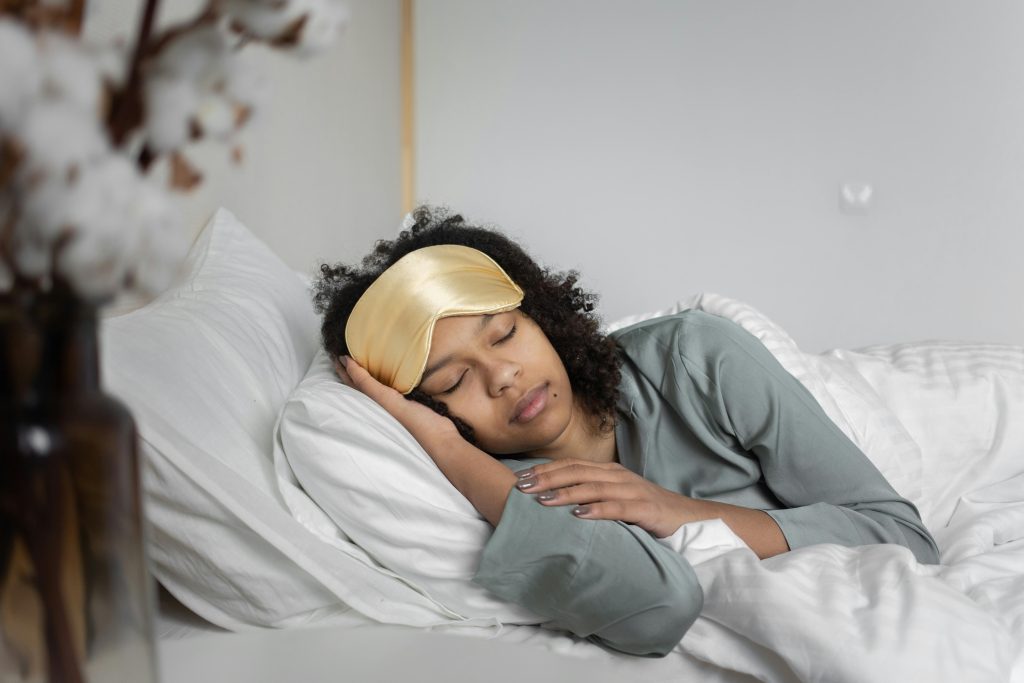
Is Sleep Paralysis Dangerous?

We’ll explore the causes of sleep paralysis, the symptoms you might experience, and how to stop sleep paralysis using proven behavioral treatments like Cognitive Behavioral Therapy for Insomnia (CBT-i).

Follow us on Instagram

@dc.metro.therapy

Can you fall asleep on the couch, during a movie, Can you fall asleep on the couch, during a movie, or even during the day... but the second you get into bed, you’re wide awake?

You’re not imagining it. This is actually very common with insomnia.

One reason is that your brain can begin to associate the bed with **pressure, frustration, monitoring, and wakefulness** instead of sleep. 🛏️ The couch or an accidental nap often feels easier because there’s less pressure to get the “perfect” night of sleep.

This can look like:
✨ Falling asleep on the couch but becoming alert in bed
✨ Feeling sleepy until it’s officially bedtime
✨ Becoming more awake the moment your head hits the pillow
✨ Constantly checking whether you’re sleepy enough
✨ Trying to make sleep happen
✨ Worrying about how you’ll function tomorrow

Sleep depends on **both** healthy sleep drive and a calm enough nervous system. You can be physically exhausted while your brain stays alert.

The good news? This pattern can be changed. 💙

Follow @dc.metro.therapy for more evidence-based sleep tips, or visit the link in my bio to learn more about CBT-i.
.
.
#insomnie #insomnia #insomniacs #insomniahelp #insomniasupport
Somehow, sleep has become another thing we’re expe Somehow, sleep has become another thing we’re expected to optimize.

The perfect bedtime.
The perfect routine.
The perfect sleep score.
The perfect amount of melatonin.
The perfect amount of sleep.

But the more pressure we put on ourselves to sleep perfectly, the harder sleep often becomes.

Maybe it’s time to let go of a few of those expectations.

Swipe through for a few reminders that might feel a little unexpected, but are actually supported by what we know about healthy sleep.

Which one resonates with you most? 💛
.
.
#sleepexpert #sleephelp #sleepsupport #insomnia #insomnie
For a lot of us, closing the laptop before the wor For a lot of us, closing the laptop before the work is “done” can feel like an Olympic-level achievement. 😂

If you’re someone who has a hard time slowing down, rest can start to feel like something you have to earn.

“I’ll just finish one more thing.”
“I’ll relax after I answer this email.”

But your brain and body don’t need you to finish your entire to-do list before they’re allowed to recover.

Choosing to protect your sleep instead of squeezing in one more task isn’t lazy. It’s one of the healthiest things you can do. 😴✨

Follow @dc.metro.therapy for more on sleep, anxiety, and learning to work with your brain instead of against it.
.
.
#sleepexpert #sleeptherapy #insomniaproblems #sleephelp #sleeptips
Are you trying too hard to sleep? It sounds stran Are you trying too hard to sleep?

It sounds strange, but one of the biggest things keeping people awake isn’t a lack of effort. It’s too much effort.

When you’re constantly thinking about sleep, tracking it, researching it, or trying to “get it right,” your brain learns that bedtime is something to monitor and solve instead of something to let happen.

Over time, the bed can become associated with pressure, frustration, and wakefulness rather than sleep. That’s one of the ways insomnia becomes conditioned.

A few things to remember:

✨ Sleep is a passive process.
✨ Trying harder to sleep often backfires.
✨ The less you monitor and chase sleep, the easier it becomes for sleep to happen.
✨ Better sleep often comes from building healthy sleep drive and reducing sleep effort, not finding the next supplement, gadget, or perfect bedtime routine.

If sleep has started to feel like a job instead of something that happens naturally, you’re not alone. And it’s possible to break that cycle.

Follow @dc.metro.therapy for practical, evidence-based sleep tips.
.
.
#sleepproblems #sleepissues #sleephelp #difficultysleeping #sleepbetter

At DC Metro Therapy, we specialize in holistic, data-driven approaches and evidence-based therapy to help adults and teens find relief from the chronic symptoms of insomnia, pain, and trauma.

We offer online and in-person therapy sessions at our office in Cabin John, MD

quick links

  • Home
  • Our Team
  • Specialties
  • Workshops
  • Blog
  • Resources
  • Contact
  • Client Portal
  • Press
  • Home
  • Our Team
  • Specialties
  • Workshops
  • Blog
  • Resources
  • Contact
  • Client Portal
  • Press

Legal Pages

  • Privacy Policy
  • Terms and Conditions
  • Cookie Policy
  • Disclaimer
  • Privacy Policy
  • Terms and Conditions
  • Cookie Policy
  • Disclaimer

Contact Info

6500 Seven Locks Road
Suite 206
Cabin John, MD 20818

Phone: (202) 656-3376
Fax: (202) 810-9206

join our Newsletter

Facebook-f Linkedin-in Instagram Tiktok

join our Newsletter

Facebook-f Linkedin-in Instagram Tiktok

© 2025 DC Metro Therapy. All Rights Reserved. Website by MK Creative.